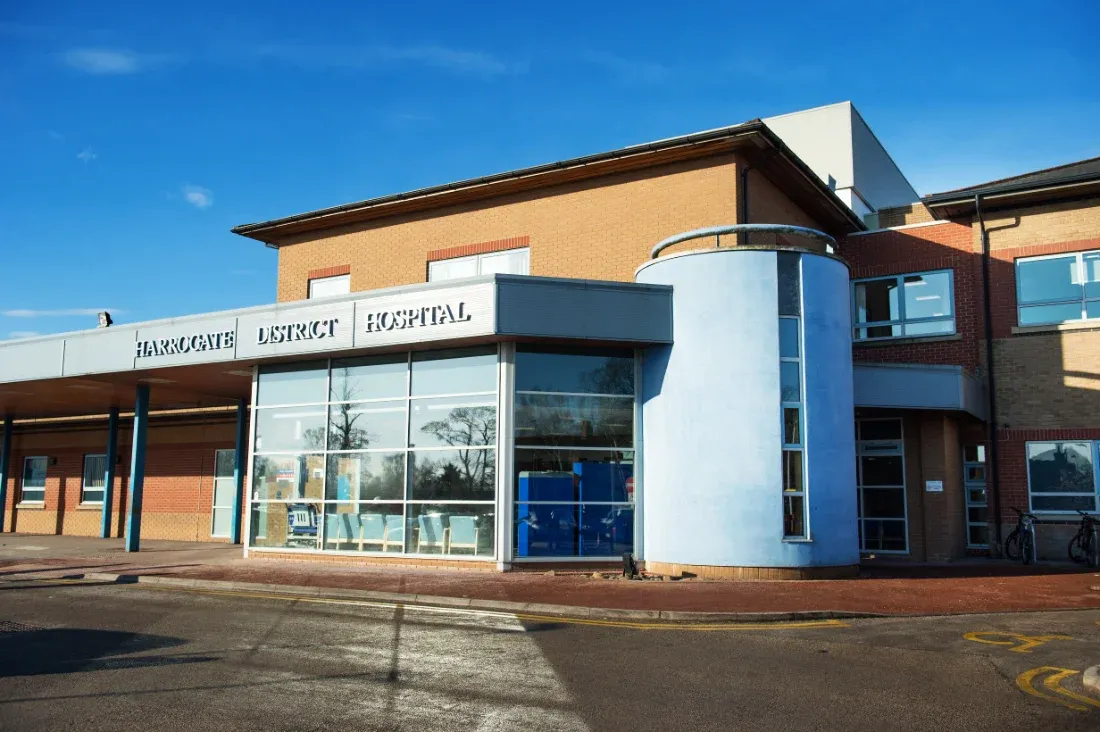
Leaving hospital is usually a positive step, but for many families it can also be one of the most worrying parts of the recovery journey. Questions about medication, mobility, follow-up appointments and day-to-day support can become overwhelming, particularly when a loved one is returning home after a period of illness or surgery.
This guide explains what to expect when being discharged from Harrogate District Hospital, the support that may be available, and the practical steps families can take to make the transition home as smooth as possible.
At Harrogate District Hospital, discharge planning is expected to begin during a patient’s admission. Hospital staff should discuss an anticipated discharge date, explain what support may be required after leaving hospital, and ensure patients and families understand any ongoing care needs, medication changes or follow-up appointments.
The aim is to ensure that patients leave hospital safely and with the right support in place, whether that support comes from family members, NHS services, social care services or private care providers.
Harrogate and District NHS Foundation Trust (HDFT) operates a Supported Discharge Service which helps people who are medically fit to leave hospital but still require treatment, rehabilitation or short-term support. The service operates seven days a week and may provide assistance within a person’s home or another appropriate care setting.
Depending on individual circumstances, patients may also be referred for intermediate care, rehabilitation services or social care support to help them regain independence following a hospital stay.
Alternatively, for utmost peace of mind, have a look at our Hospital to Home packages.
Discharge usually takes place through the Discharge Lounge, located within Elmwood Ward on the ground floor of the hospital.
The Discharge Lounge provides a waiting area for patients who have been discharged from their ward but are awaiting medication, transport or final discharge arrangements.
At the time of writing, the Discharge Lounge is open Monday to Friday between 10:00am and 7:00pm.
For many families, the journey from the Discharge Lounge to home can be the most stressful part of the process. Arranging transport, collecting medication and ensuring someone is available at home often requires careful planning, particularly when a patient has reduced mobility or additional support needs.
In most cases, transport home is the responsibility of the patient, their family or carers.
NHS-funded patient transport is generally only available where specific eligibility criteria are met. As a result, many families need to make their own arrangements for collection from hospital.
Before discharge, it is worth considering the following for your loved one:
Some patients may require additional assessments prior to discharge.
These assessments can include:
Where ongoing care is required, funding assessments may sometimes take place after discharge to avoid unnecessary delays in leaving hospital.
It’s worth noting that patients cannot normally remain in hospital simply because their preferred care option is unavailable. If necessary, temporary arrangements may be made while longer-term support is organised.
Some short-term support services provided following a hospital discharge may be available free of charge for a limited period.
However, ongoing social care is usually subject to a financial assessment and may be chargeable depending on a person’s circumstances.
For more information on funding your care, have a look at our Funding Hub.
Families should always seek up-to-date guidance regarding funding arrangements, as eligibility criteria and thresholds can change over time.
Before leaving hospital, patients should receive the medication they need to continue their recovery safely at home.
Hospital discharge medication is typically intended to cover the immediate period following discharge, and arrangements should be made for any repeat prescriptions before supplies run out.
Patients should also ensure they understand:
Keeping a copy of the discharge paperwork somewhere accessible can be helpful for both families and healthcare professionals.
A successful discharge often depends on how prepared the home environment is before the patient arrives.
Families should consider:
Even simple preparations can make a significant difference to a person’s confidence and recovery during the first few days at home.
If you are concerned that a discharge is unsafe or that appropriate arrangements have not been made, you should raise your concerns with the ward team before leaving hospital.
Harrogate and District NHS Foundation Trust also operates a Patient Advice and Liaison Service (PALS) which can help patients and families resolve concerns and understand the discharge process.
If you are concerned about how a loved one will manage after leaving hospital, our Hospital to Home service can provide practical support from the moment they leave the Discharge Lounge and return to the comfort of their own lounge.
Whether you're just starting to explore options or ready to book a free assessment, our team is here to help — no obligation, no pressure.